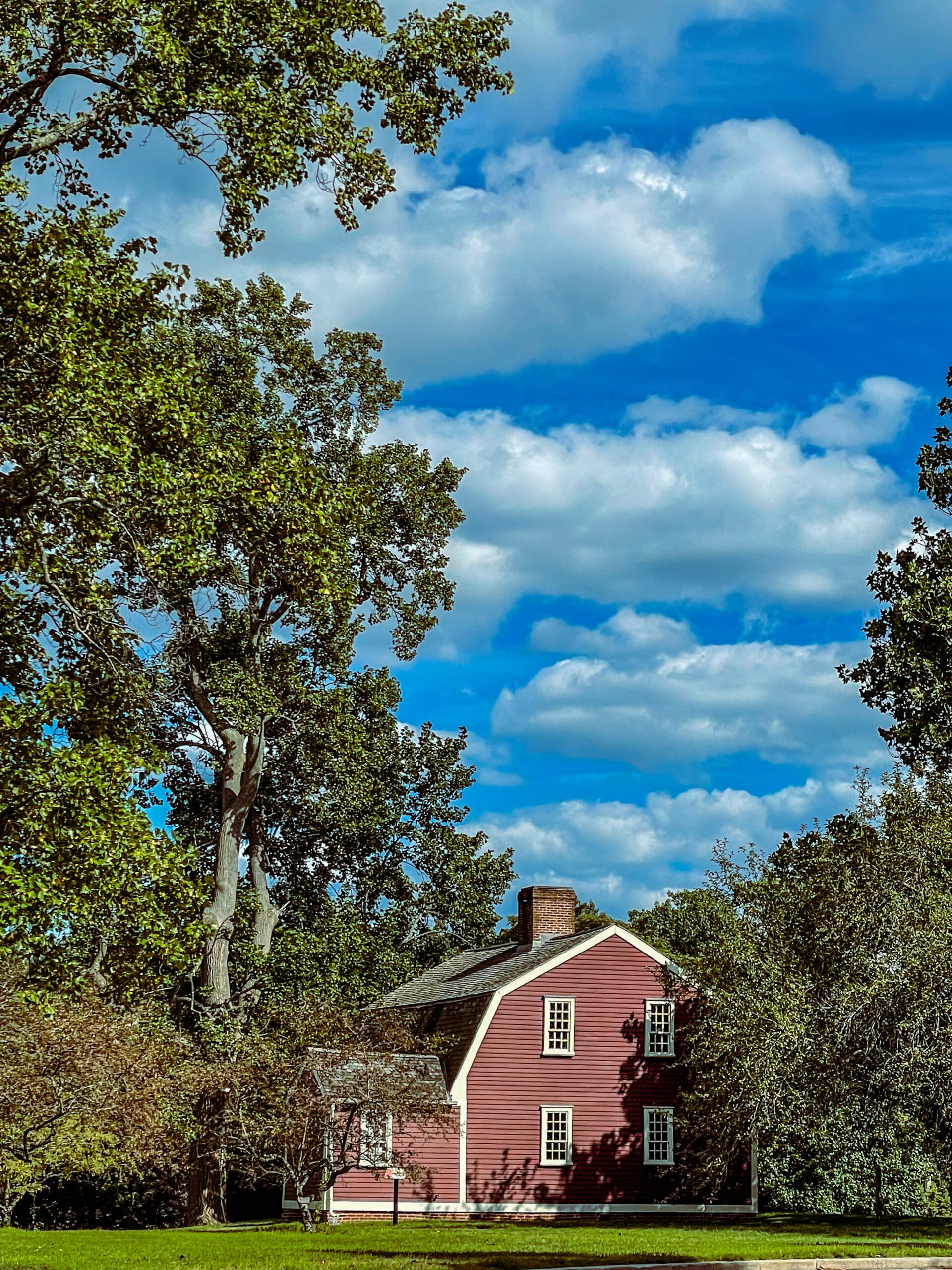

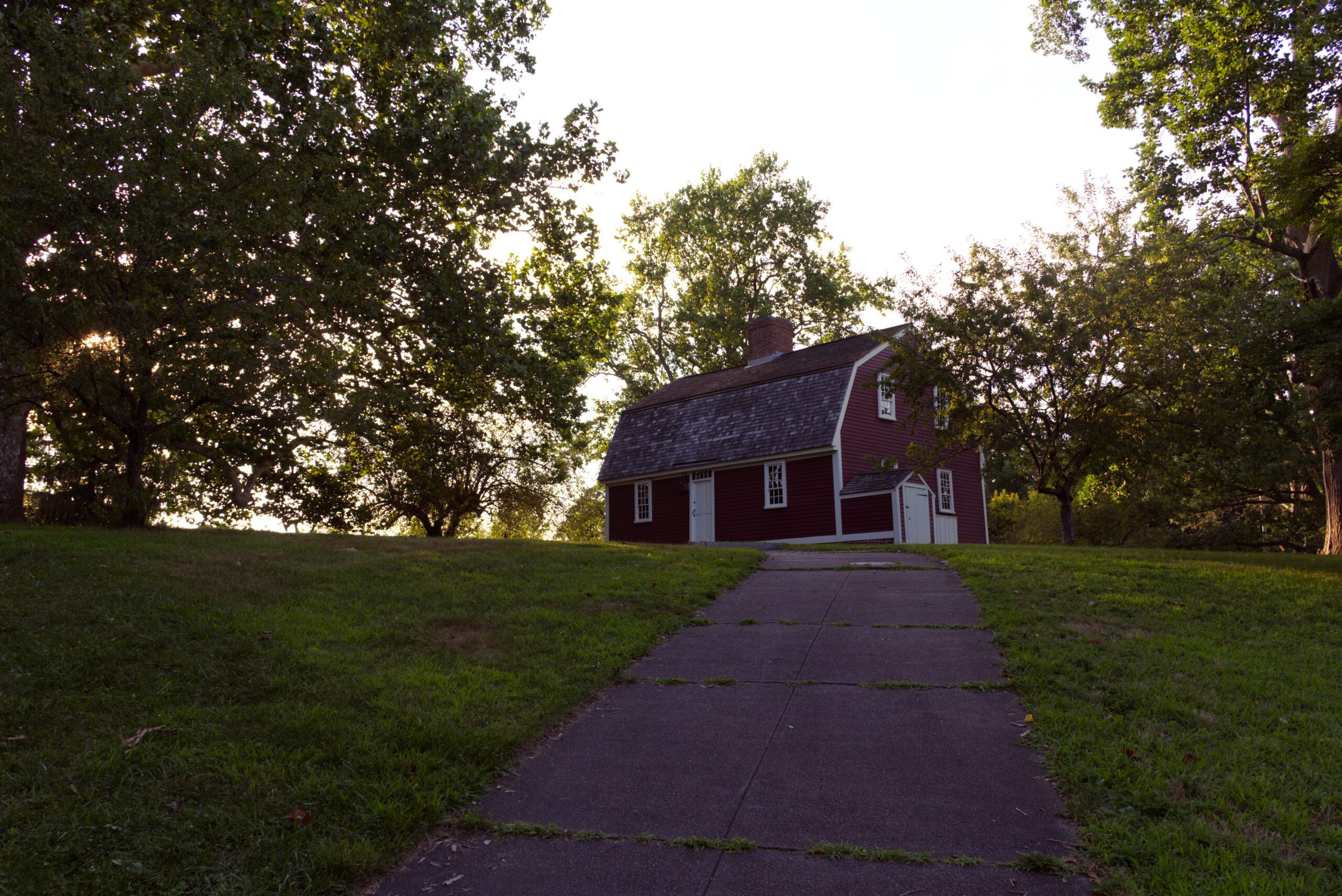
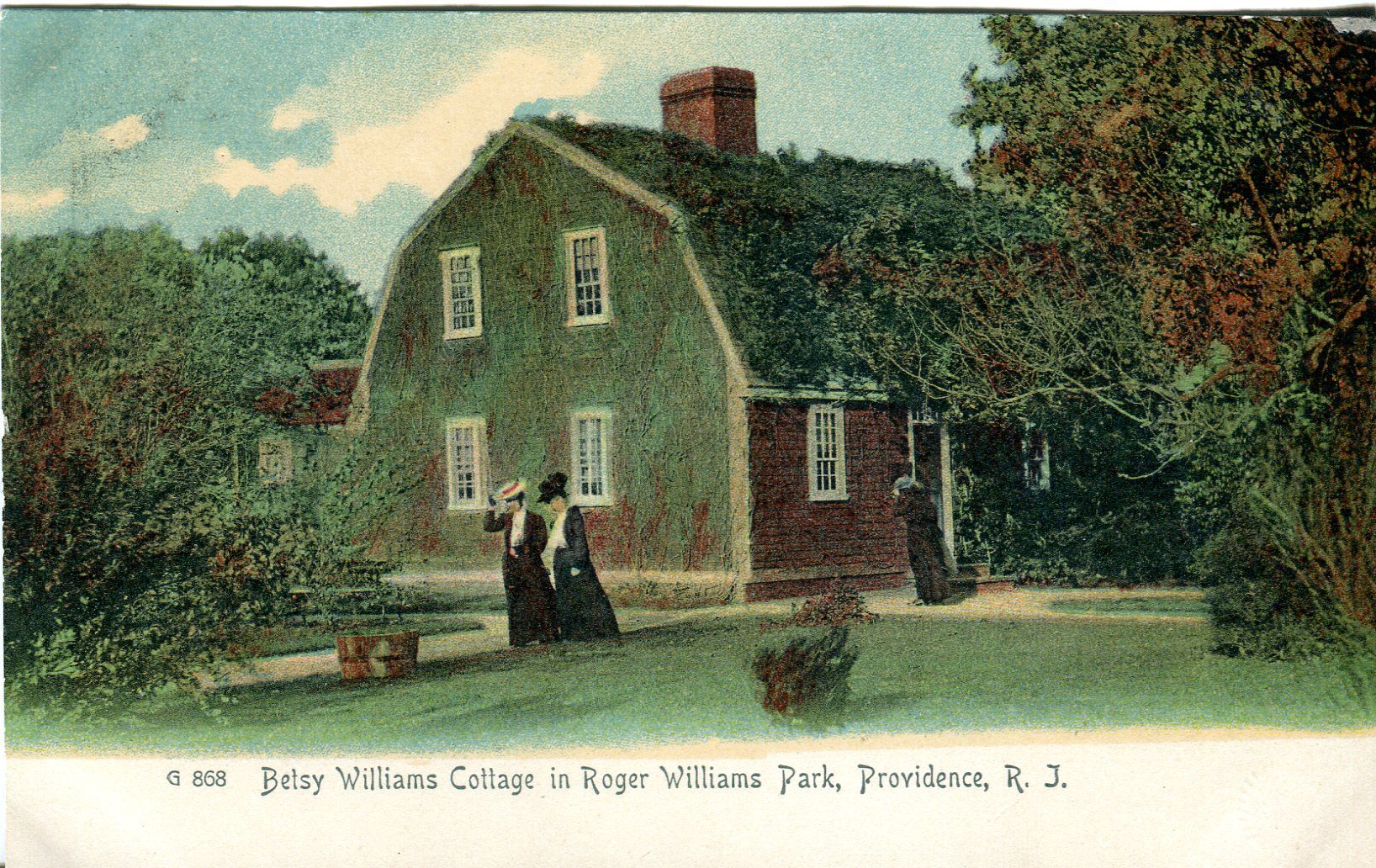
If you’ve entered Roger Williams Park via Elmwood Avenue, it’s likely you’ve noticed the small red cottage framed by the wide, beckoning branches of the unmistakable sycamore tree (among the Park’s most notable trees). For some lifelong Rhode Islanders who have strolled by the house countless times—and history buffs who were plagued with curiosity to peek inside since they were young Park-goers—its 2016 restoration and subsequent opening to the public for special programming would have certainly been a cause for celebration.
What many may not know, however, is that the Betsey Williams Cottage is at the center of Roger Williams Park’s origin story. Without Betsey’s generous gift to the City of Providence, the land may look very different today.
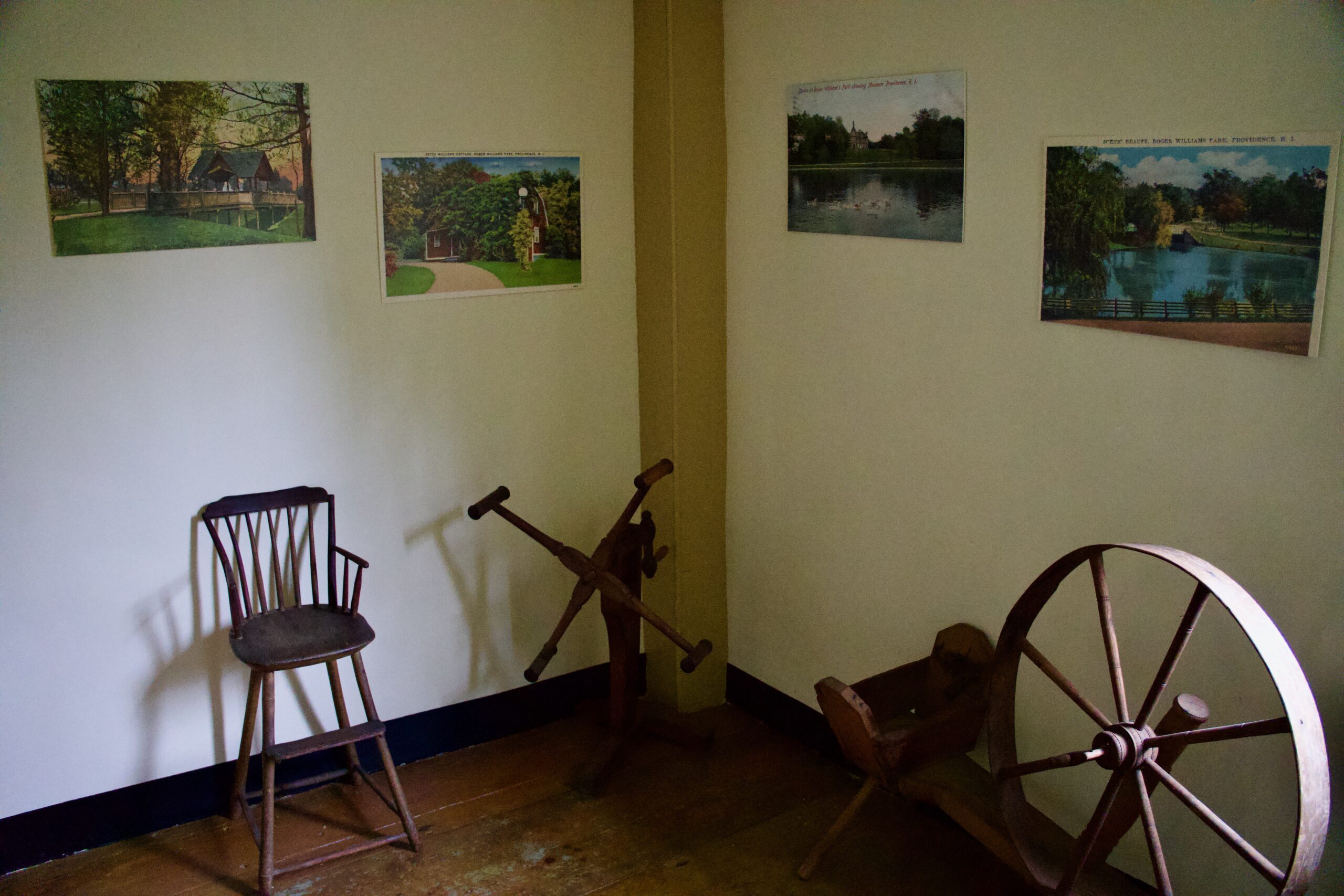
But let’s start at the beginning. In 1773, the cottage was constructed for Betsey’s father, James Williams, on land inherited from his father Nathaniel, explains Renée Gamba, Museum of Natural History and Planetarium Director. “It stands on part of the land that was deeded to their ancestor, Rhode Island founder Roger Williams, by the Narragansett sachems Canonicus and Miantonomo.”
Betsey (born 1790) grew up in the cottage with her siblings and parents, Mary and James Williams, but it was she and her older sister, Rhoda (born 1787), who would go on to live the majority of their lives there, and fill it with stories we’re still telling today. During the sisters’ youths, “the surrounding fields and marshes were their playground,” says Gamba, “and as adults their livelihood.”
It was a rarity in the 19th century for women to own property, and when Rhoda married her suitor, the women were fortunately able to ensure ownership didn’t transfer to the husband, who showed his true colors as an abusive spouse after the two were wed. Rhoda was able to obtain a divorce (also rare for the time period) in 1820, ushering a renewed sense of peace in the household. The sisters cared for their mother until she passed away in 1826, leaving them as the sole occupants.
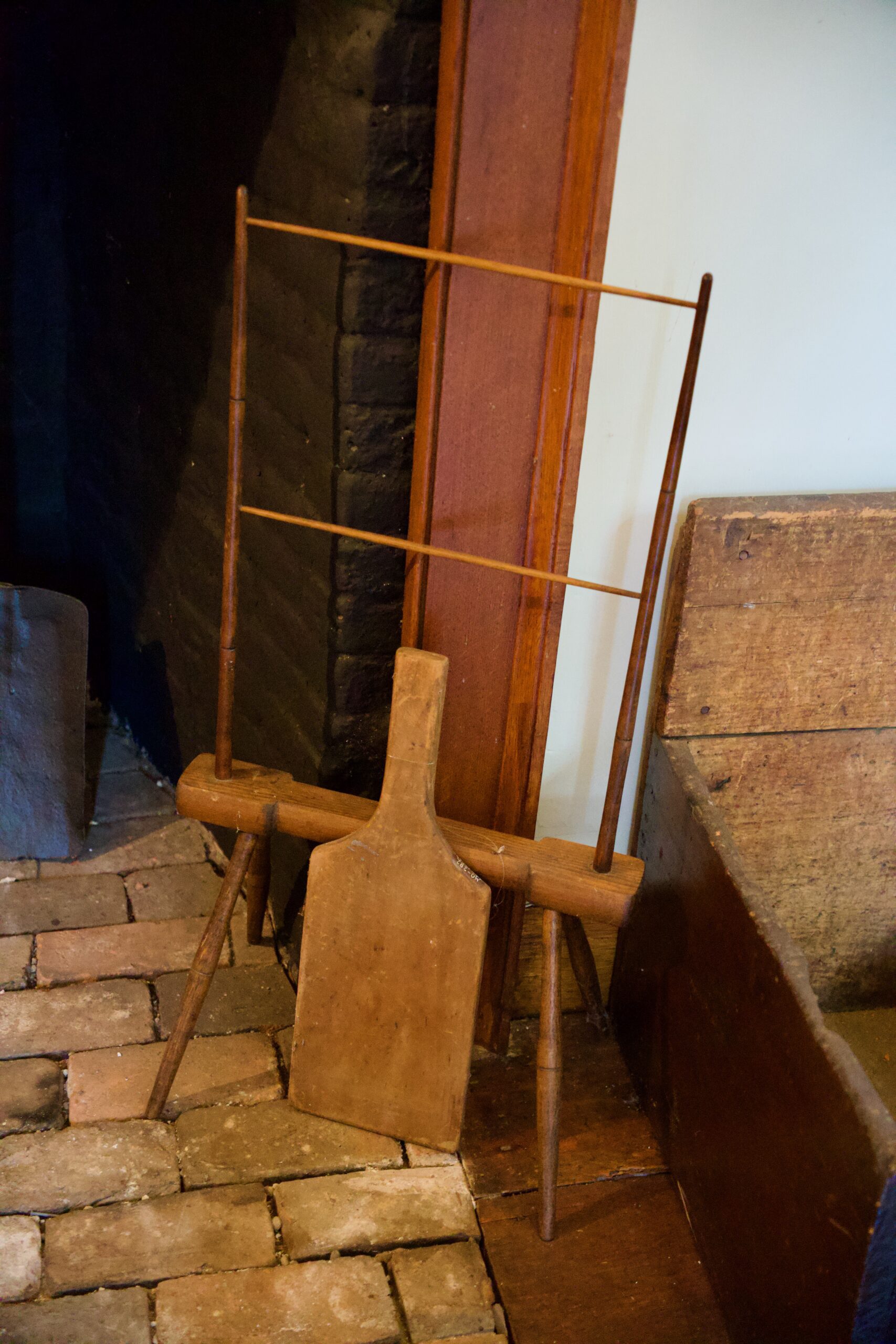
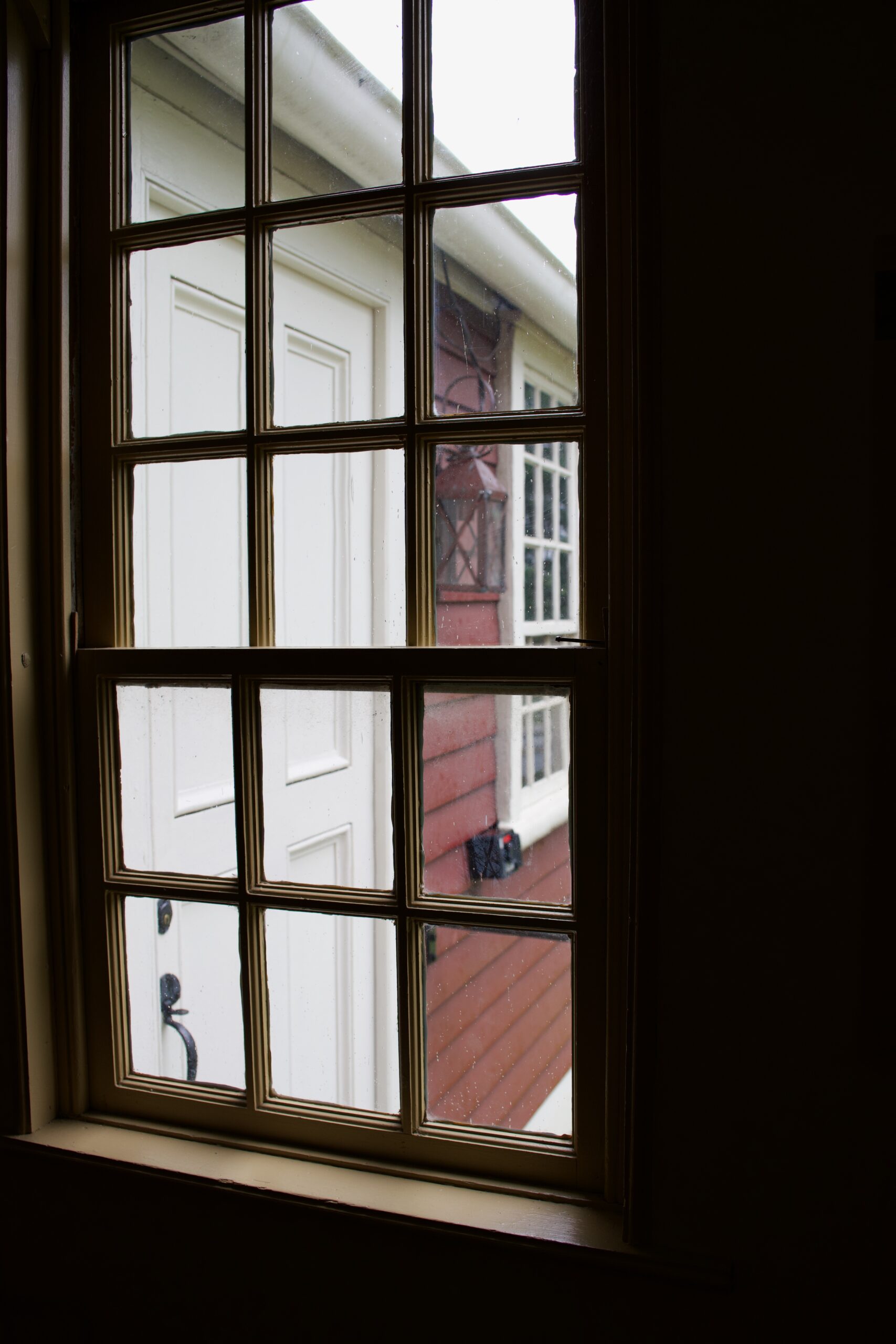
“It was in the cottage that the sisters wove cloth to supplement their income and also invited neighbors to dine and dance with them,” says Gamba, along with managing the property and 102 acres of farmland.
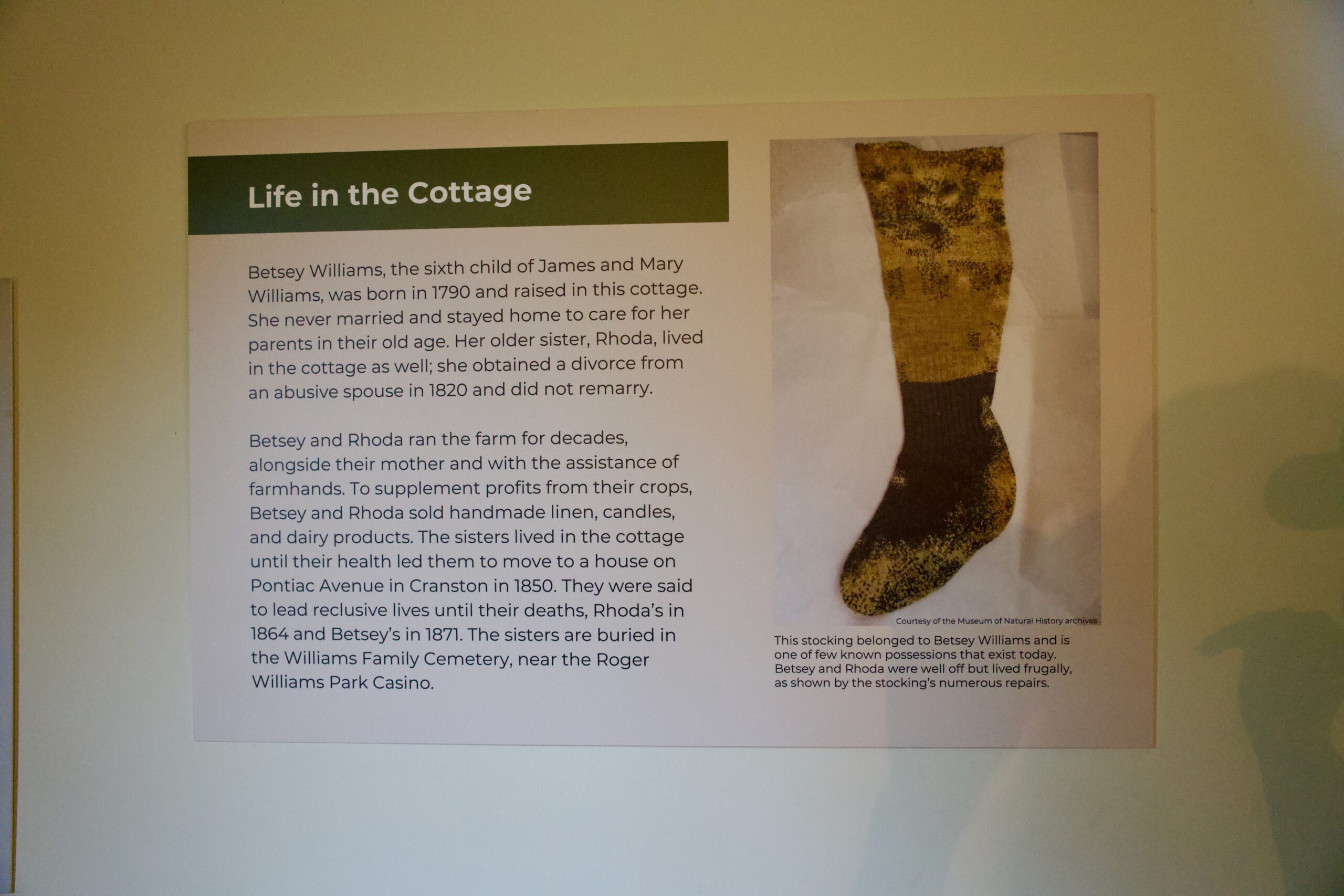
The sisters’ “eccentricities” may have been unusual at the time, but endear them to many modern Park-goers. Betsey, the younger of the pair, yet considered the “leader,” was strong-willed and spirited, with red hair, while Rhoda had dark curly hair—details we know from secondhand accounts, as there are no known portraits or writings of the women. They seemed to equally enjoy time spent in solitude, reading and keeping a tidy home, and hosting guests to dance and gather over good home cooking. On a tour of the cottage, Gamba points out signage displaying a patchwork stocking showing Betsey’s industrious repeated mending. Despite being well-off, the women lived frugally.
The stocking is one of the only belongings we have today—safely housed in the archives of the Museum of Natural History and Planetarium. Gamba makes note of other curated artifacts in the house—an herb-drying rack, a toaster and kettle by the fireplace, a bed warmer—that serve to tell the story of their lives during that period of time. Most of their original possessions were distributed to relatives after their days of entertaining and sewing in the cottage were numbered. Faced with health issues, the sisters moved to a larger home on Pontiac Avenue in Cranston and rented out their cottage to tenants.
Betsey’s final will and testament ensured the blissful moments she spent on the land would be replicated for countless generations to come. Prompted by her advisor and named guardian Joseph J. Cooke, she signed away the cottage and land to the City of Providence. The gift came with stipulations, explains Gamba:
“No part of the land could be broken off or sold.
It would not be used for ‘punitive’ or ‘reformative’ purposes.
It would not be used as a hospital.
It must be used by the public.
It must be named in honor of Roger Williams, and have a monument built to him costing no less than $500 (roughly $9,000 in 2019).”
Betsey passed away at age 82 in 1871—in the midst of an Urban Park Movement that began in 1856 with the formation of Central Park in New York City, and would spread to Providence with the creation of Roger Williams Park.
After the—dare I say—“cottage-core” era of the Williams sisters, the space saw many other functions. It was a temporary home for the first Park superintendent James Hathaway before serving as a resting stop for the over 1,000 daily visitors to the Park, and housed elaborate wicker baby carriages for families to rent for a stroll. The first major renovation happened in 1928, and it was opened as a museum for a while before being closed to the public in 1977. A Rhode Island State Preservation Grant made it possible to carry out restorations in 2016, led by architect Cornelis de Boer.
“The cottage has undergone many restorations and hosts events, including open houses, throughout the year. People are fascinated and love seeing the home that was closed to the public for so long,” emphasizes Gamba. “The red cottage and the great American Sycamore by its side have become treasured landmarks of the park.”
Take a virtual tour of the cottage on our Instagram!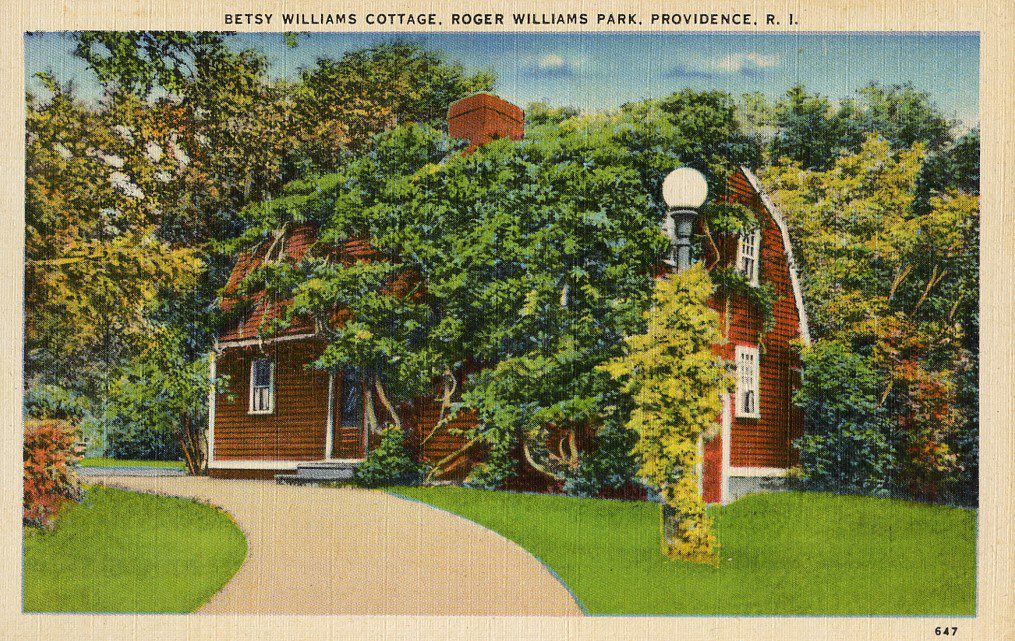
Free Open Houses at the Betsey Williams Cottage
Saturday, September 27, 10-11 AM
Saturday, November 1, 10-11 AM
Step back in time to explore the Betsey Williams Cottage, built in 1773 and home to Roger Williams’ great-great-great granddaughters, Betsey and Rhoda Williams. Upon her death in 1871, Betsey Williams bequeathed the cottage and 102 acres of surrounding farmland to the city of Providence, which became the foundation of Roger Williams Park.
Drop in during these FREE open houses, presented by the Museum of Natural History and Planetarium, to learn about the Cottage’s history and its significance to Roger Williams Park. The Betsey Williams Cottage is located near Roger Williams Park’s Elmwood Avenue entrance. Parking is available on streets surrounding the Rose Garden; see a Roger Williams Park map.